Why Europe's Technology Skills Shortage Cannot Be Solved Without More Women
Europe is trying to double a specialised workforce within a few years. Women currently account for less than one fifth of it.
Europe wants to build more artificial intelligence, more cybersecurity capability, more digital infrastructure and more home-grown technology companies. All of those ambitions depend on people.
The European Union had around 10.45 million ICT specialists in 2025. Its 2030 target is at least 20 million. Europe is effectively trying to double a specialised workforce within a few years. Women currently account for less than one fifth of it.
Technology demand is expanding faster than the traditional talent pool
AI has accelerated the problem. Almost 20% of EU enterprises were using artificial intelligence according to the European Commission's 2026 Digital Decade reporting, while cloud and data adoption were also expanding.
The World Economic Forum expects AI and big data, cybersecurity and technological literacy to be among the skills growing fastest toward 2030. Every company adopting these technologies competes, directly or indirectly, for people capable of implementing them.
Europe is underusing half its population
The European Commission puts the gender imbalance plainly. Women make up 51% of the EU population but just 19.5% of ICT specialists. Only around one third of STEM graduates are women. The full picture is in our review of women in tech statistics across Europe.
This is usually framed as an equality statistic. It is also a capacity statistic. If Europe wants substantially more technical workers, leaving women underrepresented limits the available labour pool before recruitment even begins.
Germany shows how complicated the market is
Germany illustrates why simplistic talent-shortage narratives are unhelpful. The Federal Employment Agency reported declining vacancy numbers during the economic slowdown, including lower advertised ICT demand. Yet it simultaneously argues that digitalisation, automation and AI are increasing long-term skills requirements.
Short-term hiring weakness and long-term skills demand can exist at the same time. German Business Review makes a related point about the country's technology economy: Germany's advantage increasingly sits around industrial technology, software, semiconductors and applied AI rather than only consumer internet companies. Our analysis of women in tech in Germany looks at what that means for candidates.
Training is part of the answer
Companies cannot expect universities to solve the problem alone. Internal reskilling matters. Returnship programmes matter. Professional training matters. Giving existing employees access to AI projects matters. Making technical careers accessible to people moving from adjacent disciplines matters.
Retention may matter as much as recruitment
If a company successfully recruits more women but disproportionately loses them before senior levels, it has not solved the workforce problem. Retention is influenced by management, flexibility, career progression, pay, access to important projects and organisational culture. This is the practical agenda we set out for employers in how technology companies can attract more women.
Communities can reduce friction between talent and employers
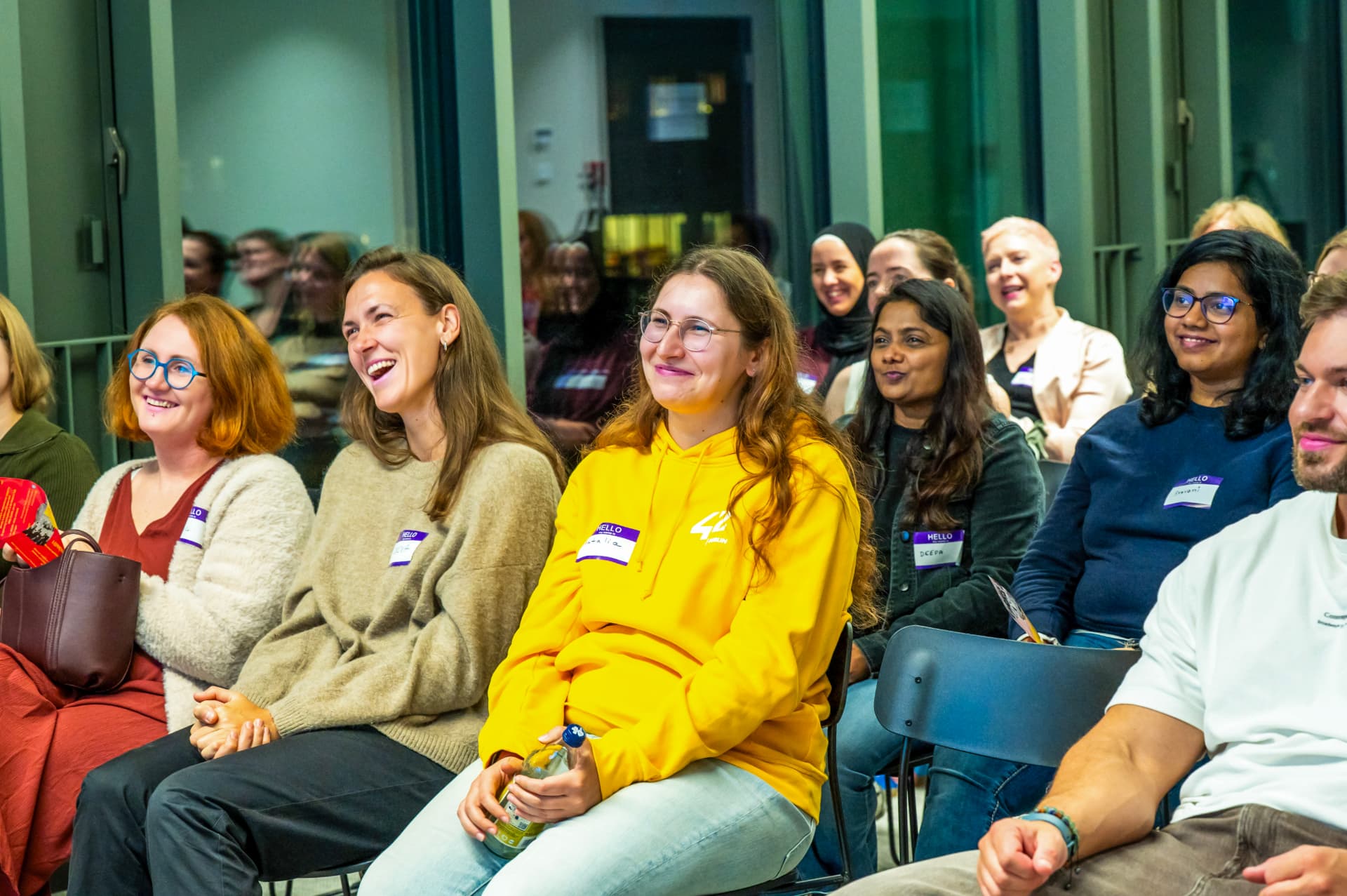
A fragmented technology labour market creates another challenge: talented people and relevant employers do not always find one another efficiently. Professional communities, conferences and industry networks reduce that friction.
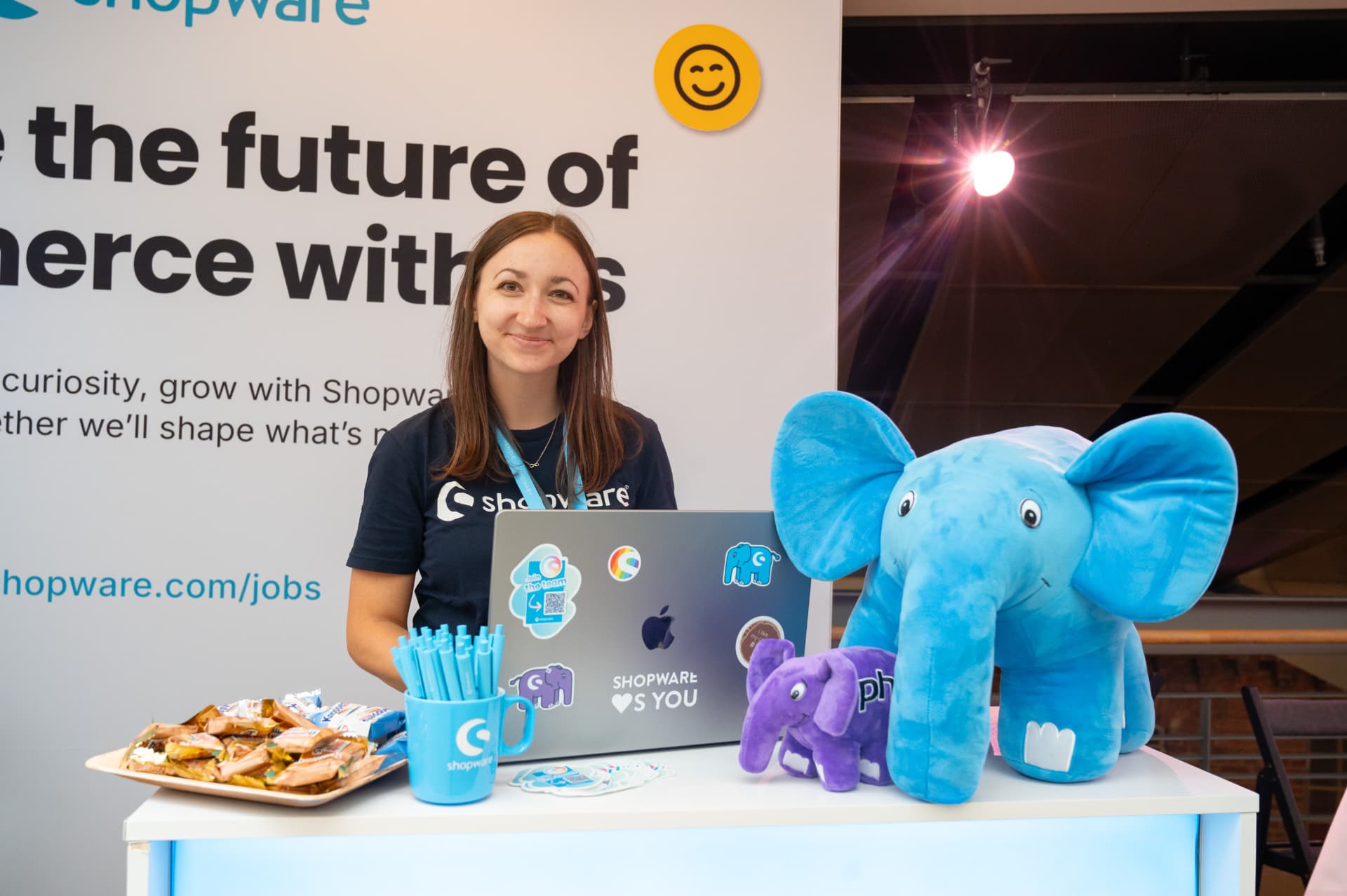
They expose candidates to companies they may not have considered. They give employers access to professionals who are not actively applying for jobs. They create learning environments where career development happens before a recruitment process starts. The FemTechConf Expo and job board is built for precisely that kind of earlier engagement.
Europe's technology skills problem is too large for any single intervention. But one conclusion is increasingly difficult to avoid. A continent trying to double its ICT workforce cannot afford to treat women's participation as a secondary objective.
Sources & Methodology
This article draws on the following public datasets, institutional publications and independent research.
- Eurostat, ICT specialists 2025
- European Commission, 2026 State of the Digital Decade
- World Economic Forum, Future of Jobs Report 2025
- European Commission, Women in Digital
- Federal Employment Agency, German ICT labour market 2026
- German Business Review, Germany technology hub
About the author
Tereza Janackova
Program Manager, FemTechConf and Women in AI, FemTechConf
Tereza Janackova is a Program Manager at FemTechConf and Women in AI, with a focus on programmes connecting technology professionals with employers, career opportunities and industry communities. Her editorial focus includes technology labour markets, AI careers, talent networks, hiring trends and access to professional opportunities.