How Technology Companies Can Attract More Women Without Turning Employer Branding Into a DEI Campaign
Candidates make career decisions using far more information than the text inside a job advert. The strongest employer brand is evidence.
Most companies trying to hire more women into technology start in the wrong place. They change the careers-page photography. They publish a LinkedIn post for International Women's Day. They add a sentence about diversity to the job description. Then they wonder why their engineering pipeline looks almost identical.
The problem is not necessarily a lack of good intentions. It is that candidates make career decisions using far more information than the text inside a job advert.
Start with the job itself
No employer-branding campaign can permanently compensate for an unattractive role. Candidates want to understand the work, team, salary, progression, flexibility and people they will work with.
Technical candidates in particular want detail. What will they build? Which technologies will they use? Who makes architectural decisions? What level of ownership will they have? How does promotion work? The clearer the role, the easier it becomes for strong candidates to self-select.
Visibility matters before the vacancy exists
Recruitment tends to become transactional. A company needs an engineer, publishes a vacancy and begins trying to persuade people to apply. Community-led hiring works differently.
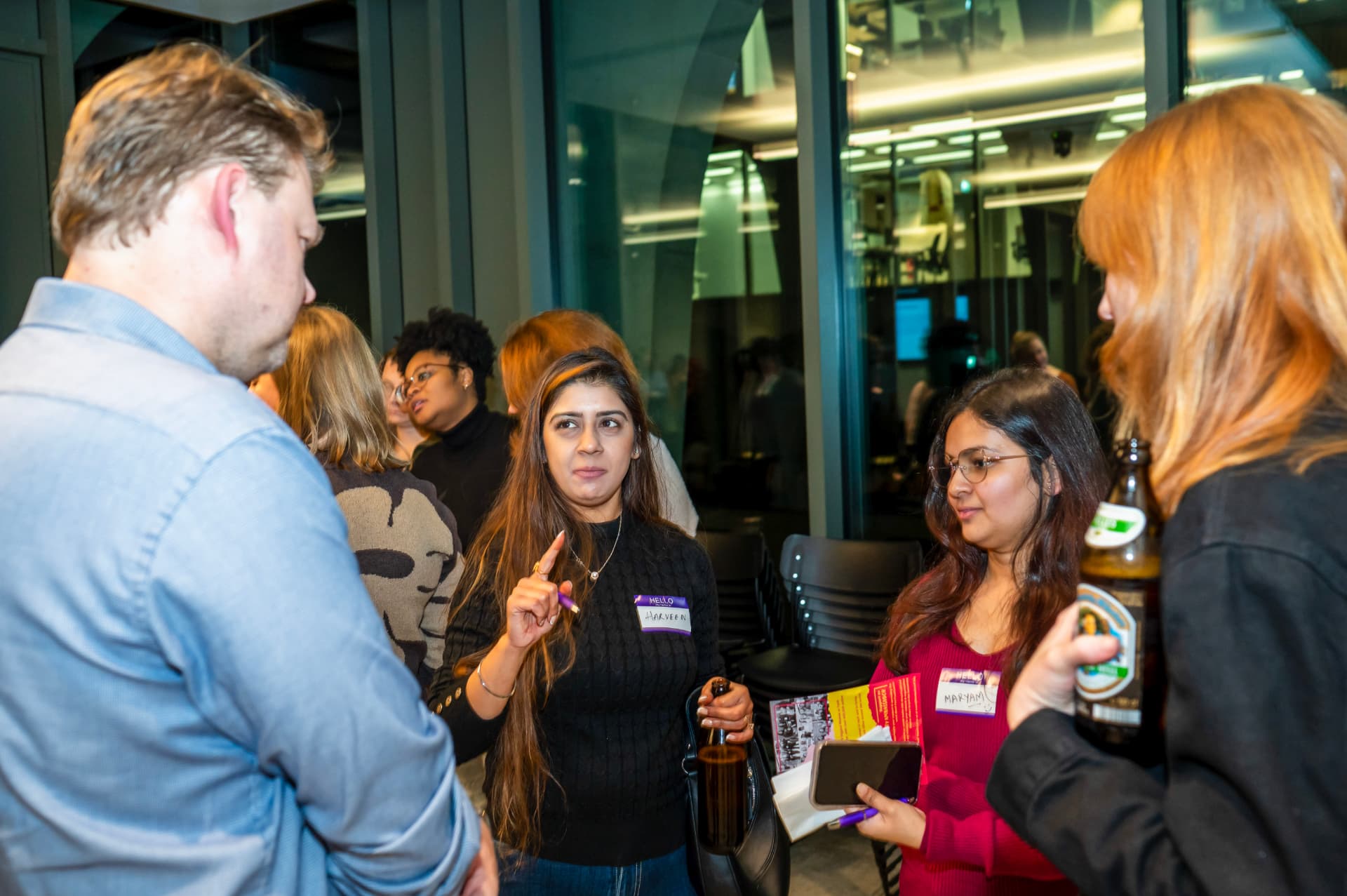
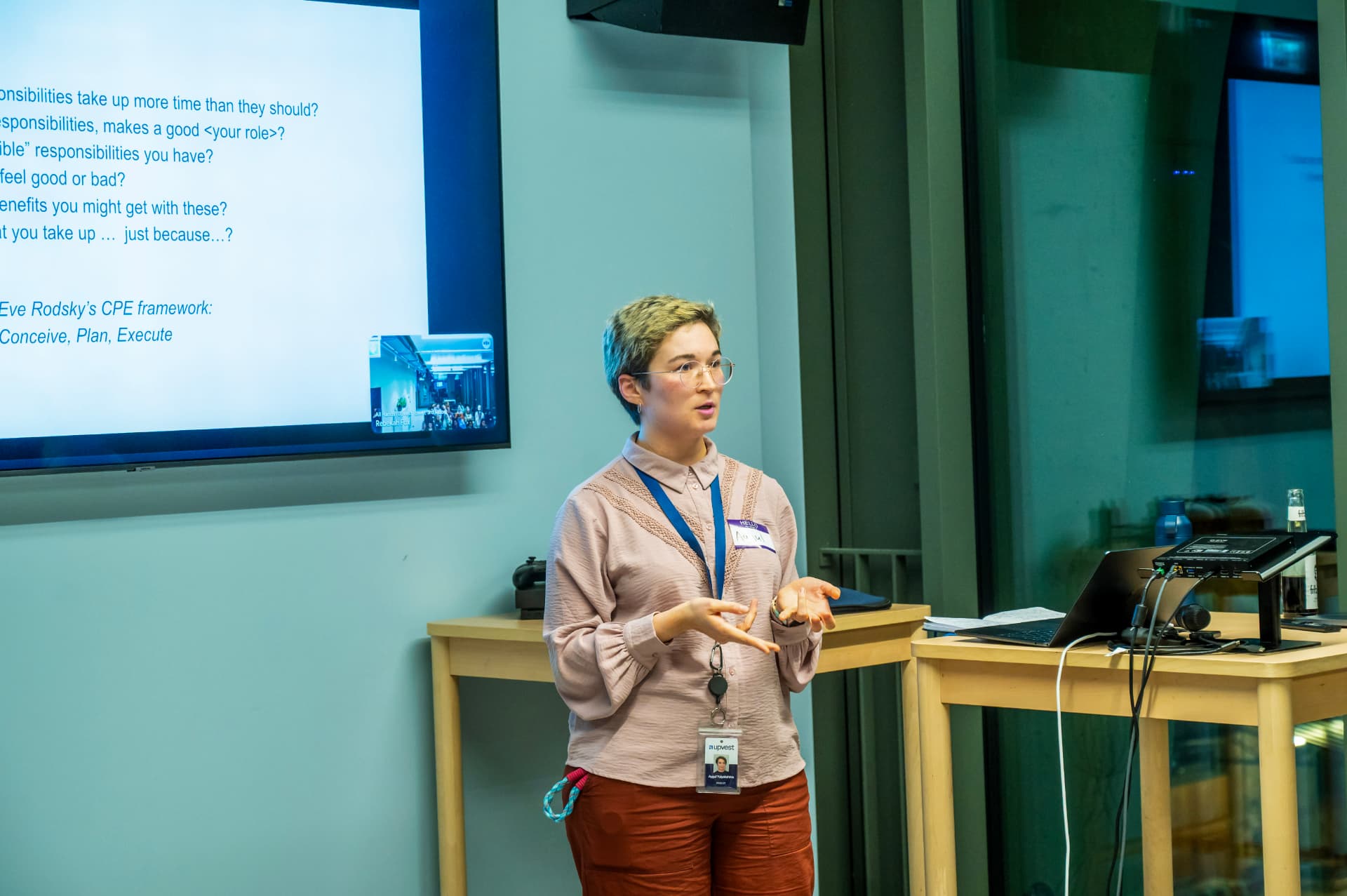
Candidates may first encounter a company through a technical talk, conference, workshop, open-source project, employee story or professional community. Months later, the same person sees a vacancy. The employer is no longer unknown.
Put technical women in visible positions
Role models matter most when they are credible. Instead of asking the marketing department to explain why women can thrive inside the organisation, give female engineers, product leaders and executives platforms to talk about their actual work.
Fix progression as well as recruitment
Europe's gender imbalance becomes more pronounced at senior levels. McKinsey's 2025 European analysis found women were substantially less represented in tech management and senior management than in the broader workforce it studied - a pattern set out in our review of women in tech statistics across Europe.
Instead of only asking, “How many women did we hire?” ask: How many moved into higher-value technical work? How many became managers? How many reached staff, principal or director level? Who receives the projects with the greatest visibility? Who leaves after three years?
Pay transparency helps
Germany provides a useful example. Destatis recorded a 19% unadjusted gender pay gap within information and communication in 2025. This is not a same-role pay statistic, but it reflects structural differences across occupation, seniority and working patterns. Our Germany labour-market analysis unpacks the detail.
Go where the talent already gathers
Companies often spend enormous recruitment budgets competing for candidates after those candidates enter the hiring market. Professional communities offer a different route.
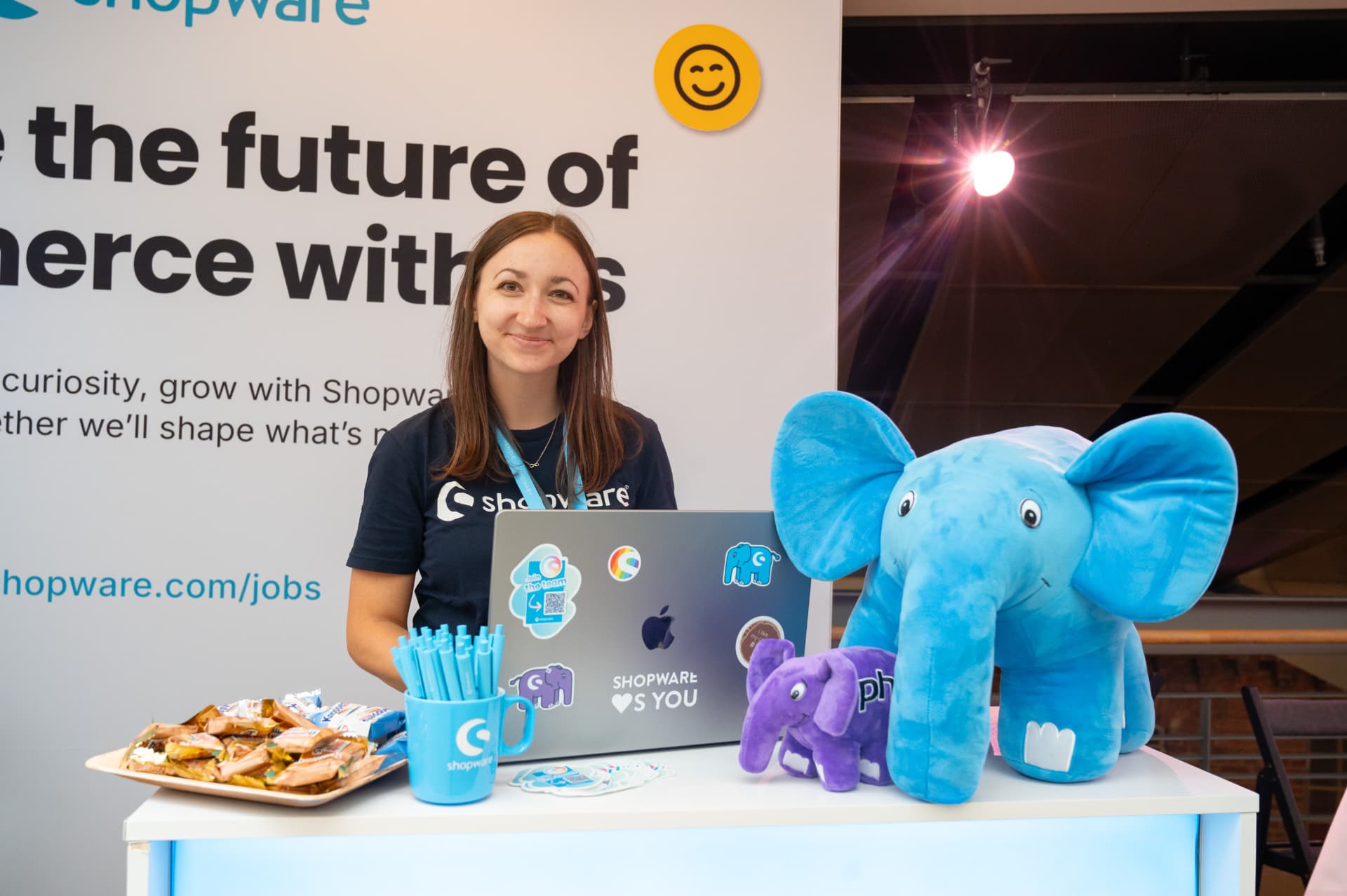
FemTechConf's community includes more than 450,000 women and allies, while its events combine talks, networking, employer visibility and career opportunities - you can read more about the organisation and its impact. The commercial value is not simply putting a logo beside the stage. The opportunity is sustained exposure to a relevant professional community, whether through partnership or a presence in the Expo and job board.
Measure outcomes, not activity
A successful employer-brand programme should eventually show up in measurable behaviour: candidate awareness, relevant career-page traffic, applications, event conversations, talent-community growth, quality of hire, retention, promotion and referral volume.
The best employer brand is evidence
Talented people are increasingly good at recognising polished corporate language. The organisations that stand out are often those able to provide evidence: real employees, real technical work, clear progression, credible flexibility, transparent pay, visible leadership and sustained participation in the communities they say they support. For the commercial rationale, see why companies sponsor Women in Tech events.
Sources
- McKinsey, Women in tech and AI in Europe
- Destatis, Gender Pay Gap by economic activity
- FemTechConf About and Impact
About the author
Penna Koskinen
Program Manager, FemTechConf
Penna Koskinen is part of the FemTechConf programme team, helping shape conference programming and community experiences across the organisation's Women in Tech events. Her editorial focus includes conferences, employer engagement, professional networks and how companies can build more useful relationships with women in technology.